Jared Tabb Jared Tabb
About Replies
Archive Photos
  • 10 Years of Jardum

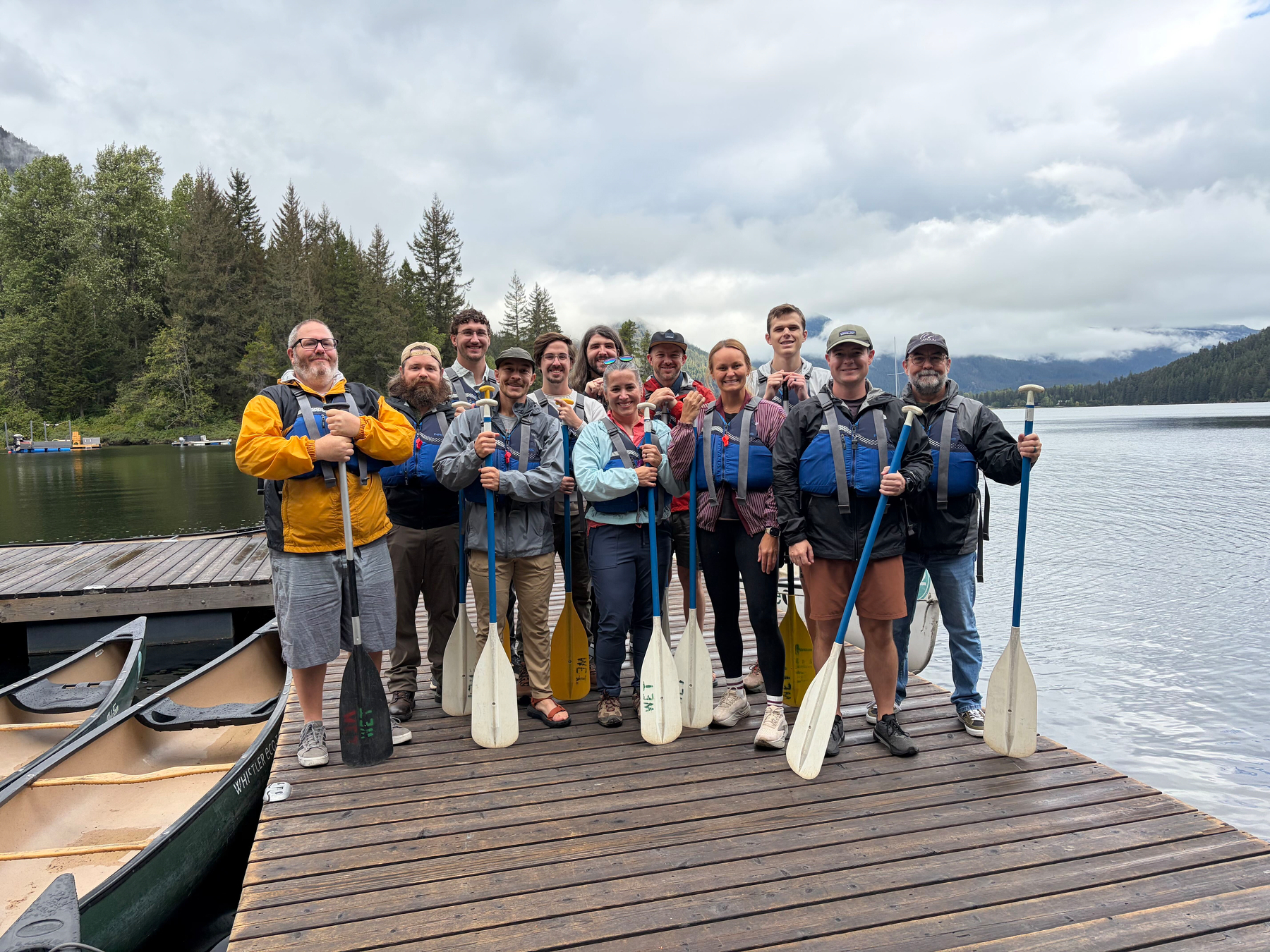
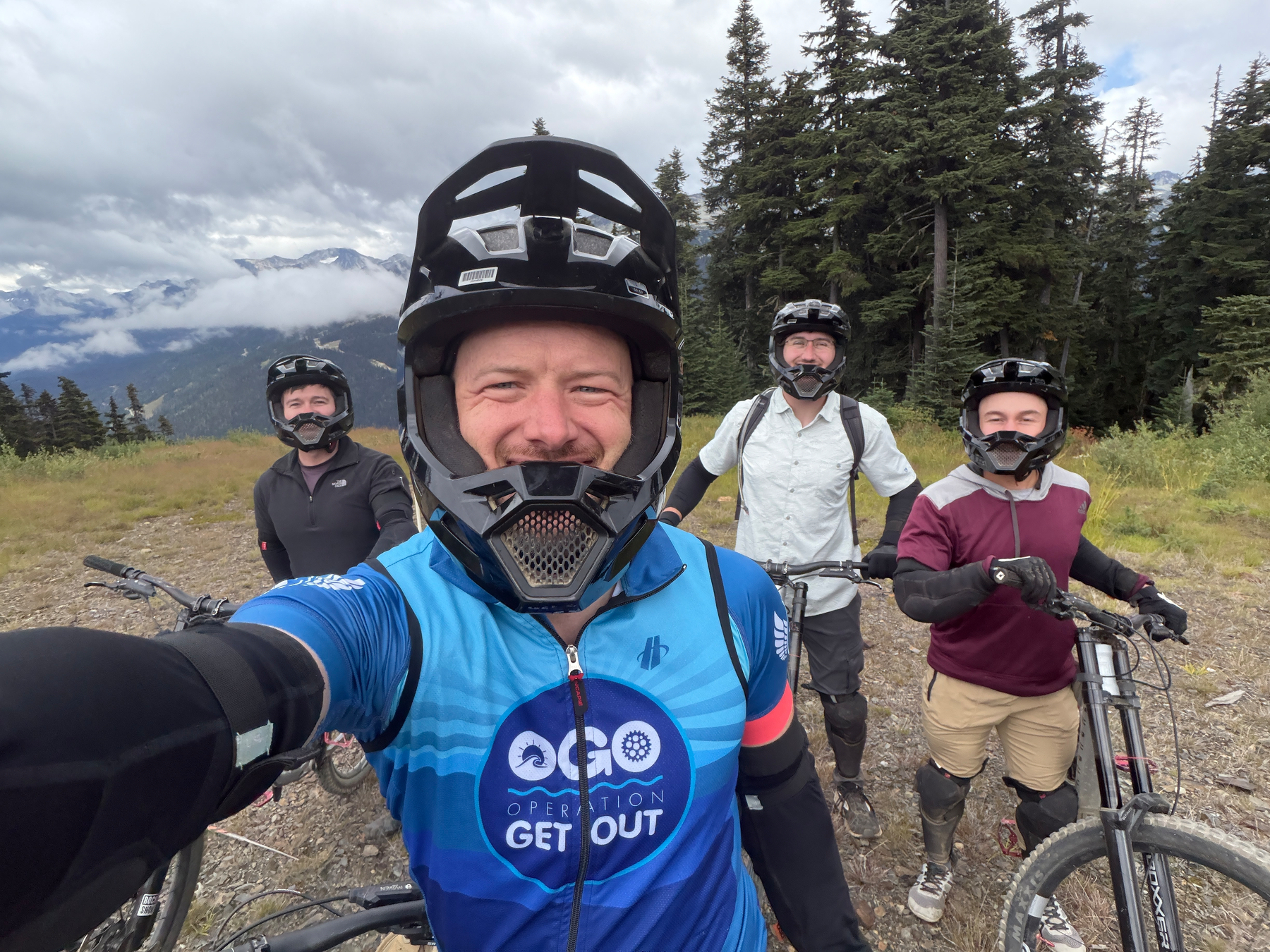
    John and I took most of the company to Whistler this week to celebrate and to plan. About half of us brought partners and families. I’m grateful that Jardum has let us shift the conversation from work/life balance to work/life blur.

    As a high school senior, when people asked what I wanted to be when I grew up, I’d say “retired at 30.” A few family members and childhood friends like to point out that I’m past 40 and still working. Then I read an interview with Gabe Newell (founder of Valve), who still works seven days a week and says he’s been retired for a long time because retirement, to him, means quitting the job you hate to go do the thing you’d choose anyway.

    So I’m going to say I missed my goal by one year. I retired 10 years ago and have been chasing a dream ever since. There are too many colleagues, customers, partners, and friends to name who helped us get here. But I give the same speech at every strategic planning session: our wives and our families are the real investors in Jardum. They let us take the risk, 75% pay cuts, paused 401ks and 529s, a second mortgage. We’re still paying them back, and this week in Whistler was a small down payment.

    The next 10 years look a lot like the last: intentionally small and scrappy, curious, innovative. Developing interns into engineering leaders. Coming alongside manufacturers to help, empower, and enable.

    I’m already retired. I’m not chasing a big payday. I’m here to solve cool problems with cool people for the foreseeable future.
    → 9:09 AM, Sep 5
    Also on Bluesky
  • How are you consuming news these days?

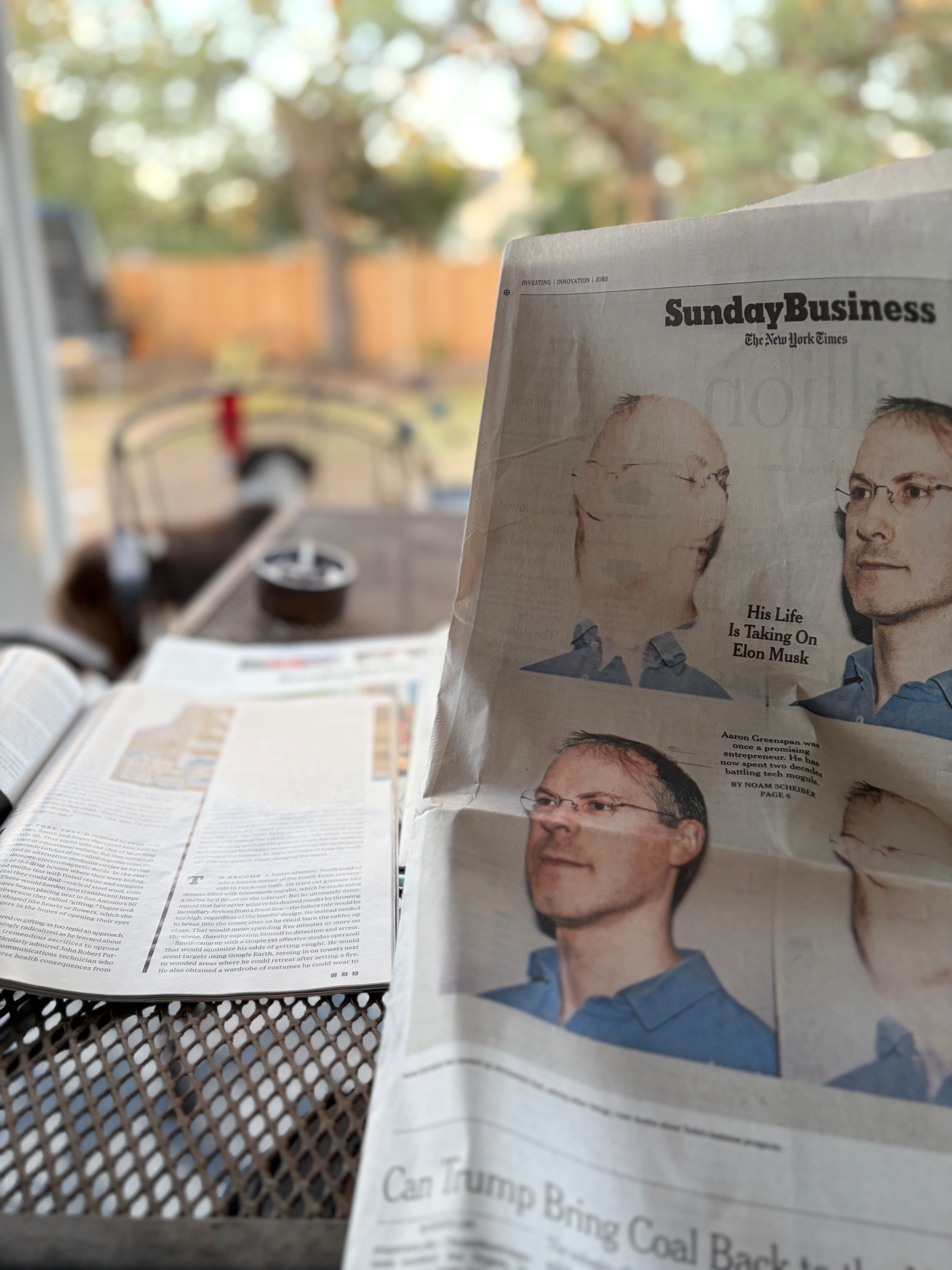
    I did something weird for a tech savvy person in 2025. I signed up for a newspaper and magazine subscription. Like physical paper delivered to my door. Weird, I know. There’s something about the smell of newspaper and the texture of a magazine. It’s different.

    This summer, I spent a week without any tech at a church camp with my kids. It was eye opening. For the last month, I’ve been trying to get some of that back. There’s something deeply unhealthy having the constant barrage of social media, news, video shorts, echo chambers and all that Web 2.0 brought us. I can fall down the rabbit hole of YouTube recommendations, Reddit,or FB marketplace, then look up and realize an hour has gone by and my brain is mush.

    So I cut stuff out completely. It’s a media elimination diet. First, take it all out and see if you feel better (Yes I do), then start adding it back in to see what’s still healthy.

    I just order a Boox eReader to replace my aging Kindle (and to eliminate the last of pre-USB-C devices) and I’m going to try to ease back into more media. Probably with mostly the Libby app and some carefully selected RSS feeds. In this process, I’m finding it’s actually easier and cheaper to just let the algorithms take over. To be more selective actually takes more time and probably a few purchased apps and subscriptions.

    How are you limiting your consuming media these days? What healthy boundaries have you established? Any recommendations for RSS readers or workflows to limit the stream of media?

    → 6:21 PM, Nov 2
  • I think there was a great lesson in college taught in the advisors office and we never knew it.

    My routine is a little messed up right now and I’m trying to correct that. As I’m looking at personal productivity systems, they end up looking a lot like company operating systems. Once you open up that can of worms, there are hundreds of tools, products, and systems as well as thousands of coaches, consultants, and gurus who will get you into shape. I love these tools. I read the books. I listen to the podcasts.

    They all have pretty much the same elements:

    • Driving Purpose
    • Goals that are broken down into tasks
    • Schedules that drive a routine

    Back to the advisors office. I didn’t walk in and say “2.5 years from now I will make at least a 90% in Physics 315.” No, I had a dream. Sometime in the future I had a general thought of what I wanted my life to be, where I would live, what I would do for fun, who I would marry. I had come to the conclusion that Electrical Engineering was most aligned with my skills and passions, and could probably support the life I wanted. The advisor then slid over a schedule the detailed out the next 5 years of my life neatly broken down into two semesters and two breaks a year. The breaks should probably be filled with internships and here are the resources to pursue those. Each class, in itself was a a goal that led me to the world after college I envisioned. Once I step foot in each class, the professor handed me a syllabus which gave me a weekly schedule, a to-do list of homework, and another roadmap on how to achieve this goal on the way to my dream. Now I have a tasks list and a routine on my roadmap to success.

    Whether it’s personal productivity or strategy of an organization, all we’re doing is building a plan like a college advisor. What motivates us has to be this dream in our mind of a better future, something not near, but not distant either. We break that down in a series of goals over the next 3-5 years. Those goals are time boxed in seasons of the year (which might nicely fall into fiscal quarters). Eventually, we get it down to the daily routines and tasks.

    Whether you’re setting goals as an individual, a non-profit, a small business, or publicly traded company, I don’t think the specific tool, system, or guru matters so long as you’re hitting those 3 things.

    → 10:56 AM, Sep 1
  • RSS
  • JSON Feed